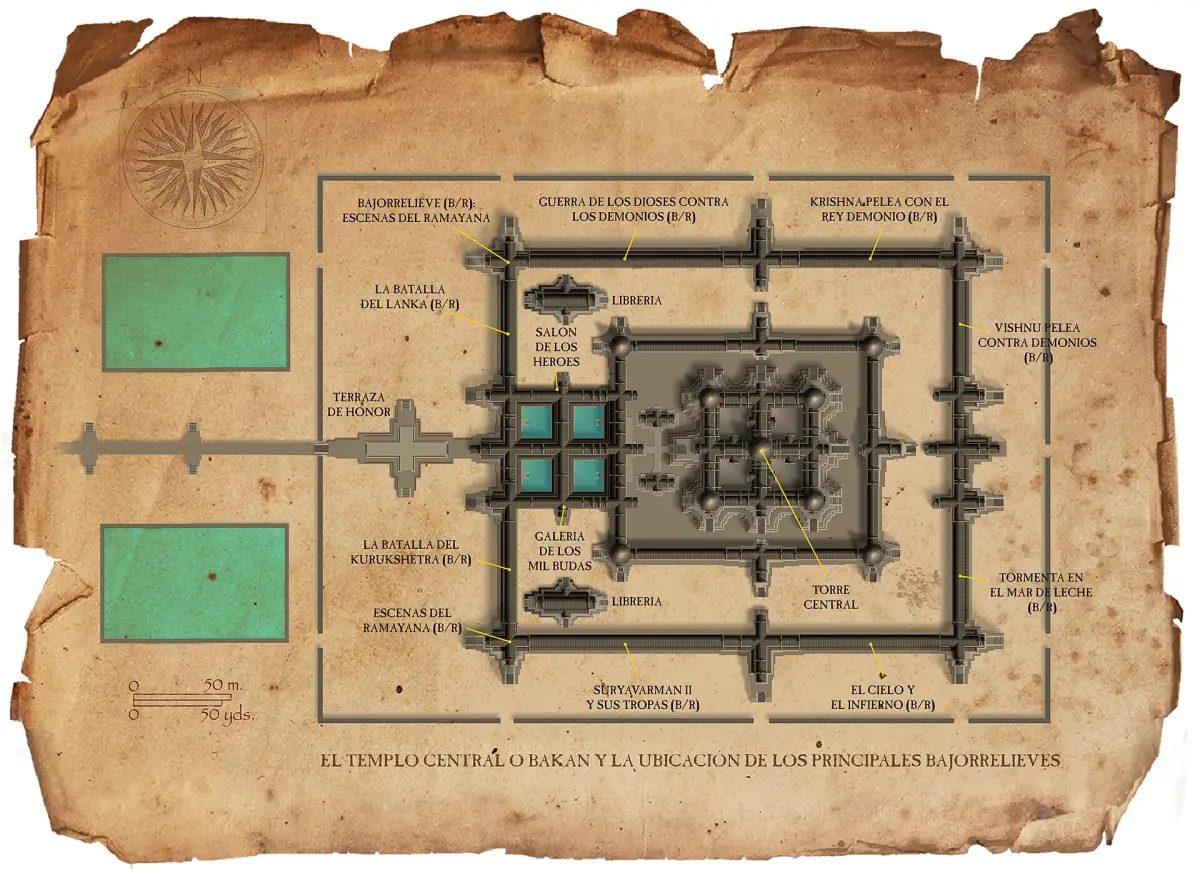
Angkor Wat history in short
Angkor covers the capitals of the Khmer Empire between the 9th and 15th century, together with temples, water works and settlements in Siem Reap province. It is not a building from a single year or a single reign. Angkor Wat is the best-known part. It was built in the early 12th century under Suryavarman II, first for Vishnu and later used as a Buddhist temple.
The park today is about 400 km², and it was inscribed on the World Heritage List in 1992. If you want to see the sites in order, start with Angkor Thom and the Bayon, and consider Angkor Wat tours with a guide who explains what you see. You visit all of them with the Angkor Pass.
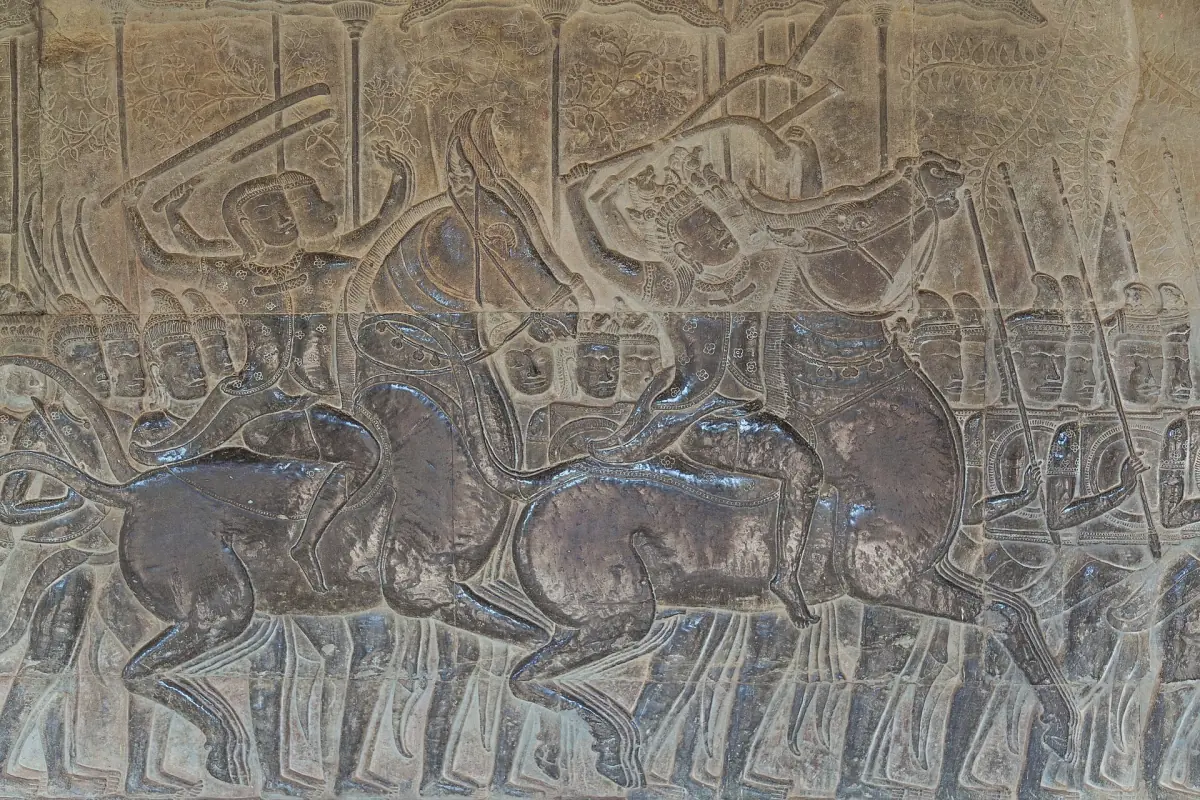
Angkor timeline: the main dates
Dates are approximate. Treat them as a guide to the order of events.
| Period | What happened | Where to see it |
|---|---|---|
| 928–944 | Koh Ker is the sole capital under Jayavarman IV | Koh Ker (separate ticket) |
| Around 967 | Banteay Srei is founded by a royal guru | Banteay Srei |
| Early 12th century | Angkor Wat is built under Suryavarman II | Angkor Wat |
| Late 12th and early 13th century | Jayavarman VII is associated with Angkor Thom and builds the Bayon | Angkor Thom and Bayon |
| 9th to 15th century | The span of the Khmer capitals preserved in the park | The whole park |
For most visitors, reading the timeline once and then seeing Angkor Wat, the Bayon and Banteay Srei gives the clearest picture of how different the periods look.
Our pick: history on site
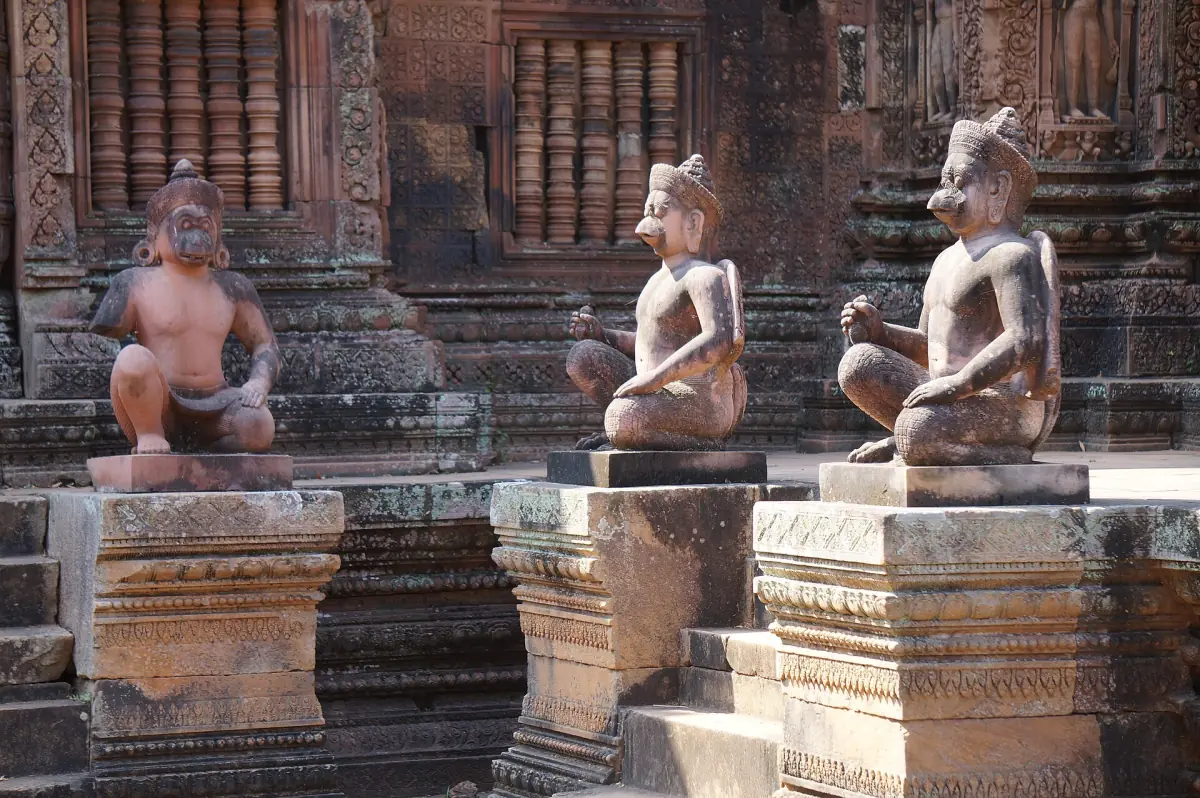
A guide explains Banteay Srei and five temples of the grand circuit.
Hand-picked tours, booked through GetYourGuide. Prices are indicative starting prices in US dollars (as of October 2026). Tap a tour for live availability and the current price in your currency.
Angkor history tours with a guide
Guided temple days and small-group tours that explain the history of Angkor Wat, the Bayon and the other temples, with live prices and availability. Check whether the Angkor Pass is included.
Angkor Wat and Suryavarman II
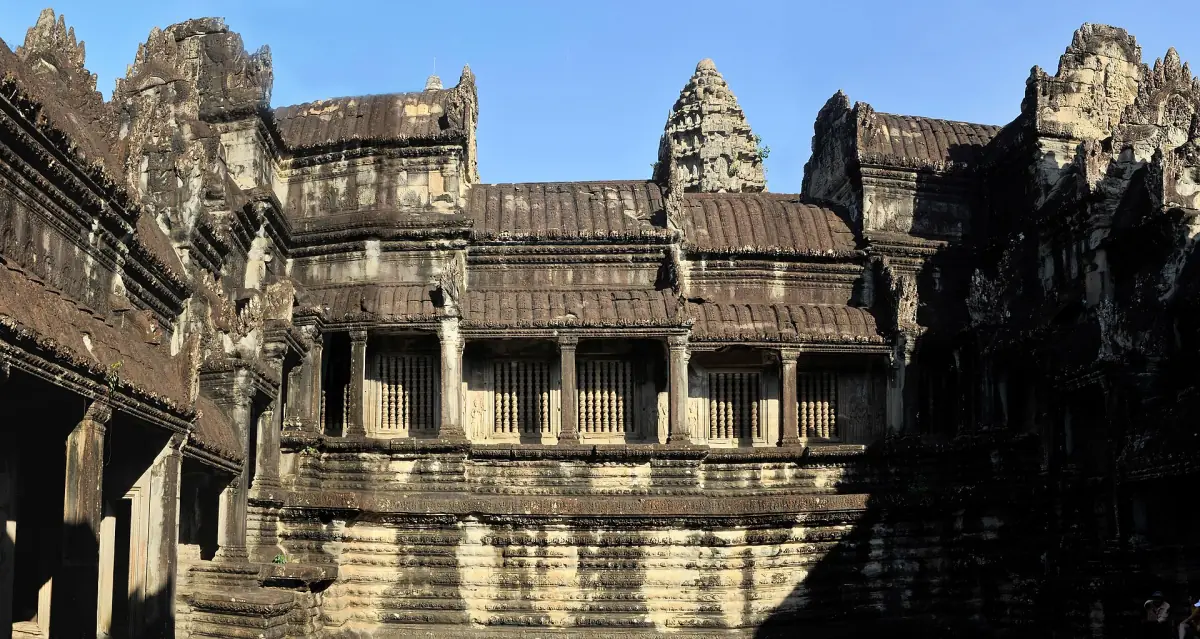
Angkor Wat was built in the early 12th century under Suryavarman II. The temple was first dedicated to Vishnu and later used by Buddhists. There is no exact year for its completion.
The outer galleries carry long relief bands with religious stories and historical scenes. They include the churning of the Ocean of Milk and Suryavarman II himself.
Jayavarman VII, Angkor Thom and the Bayon
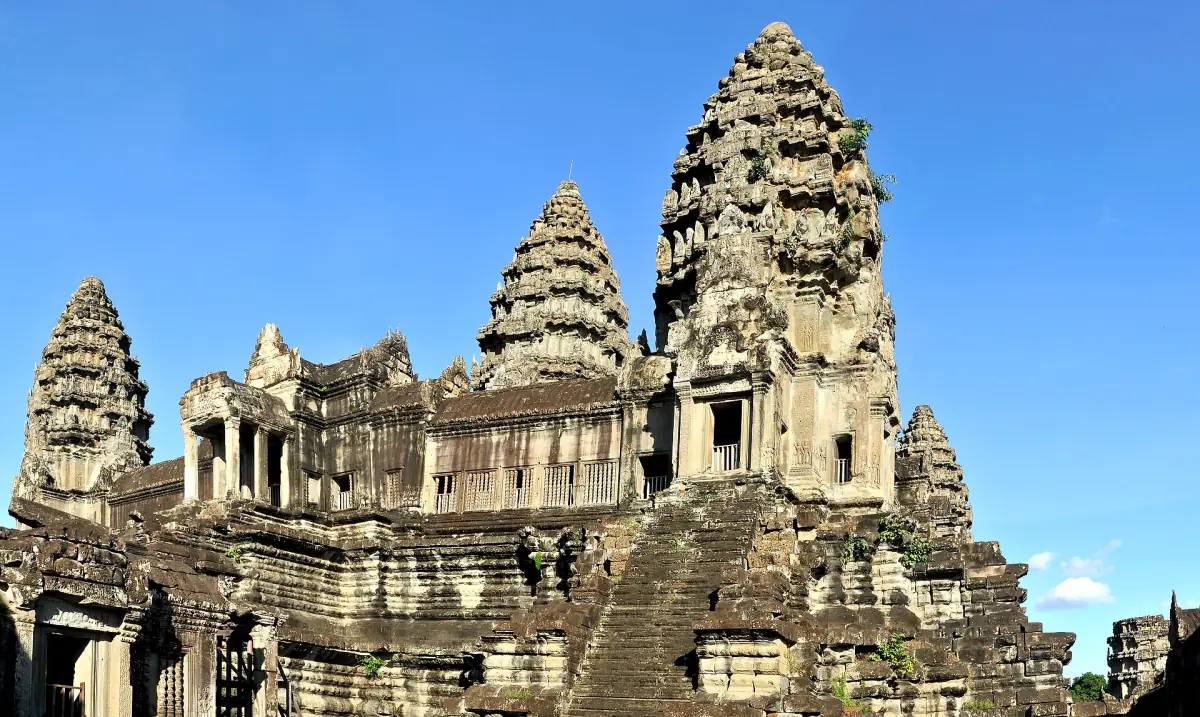
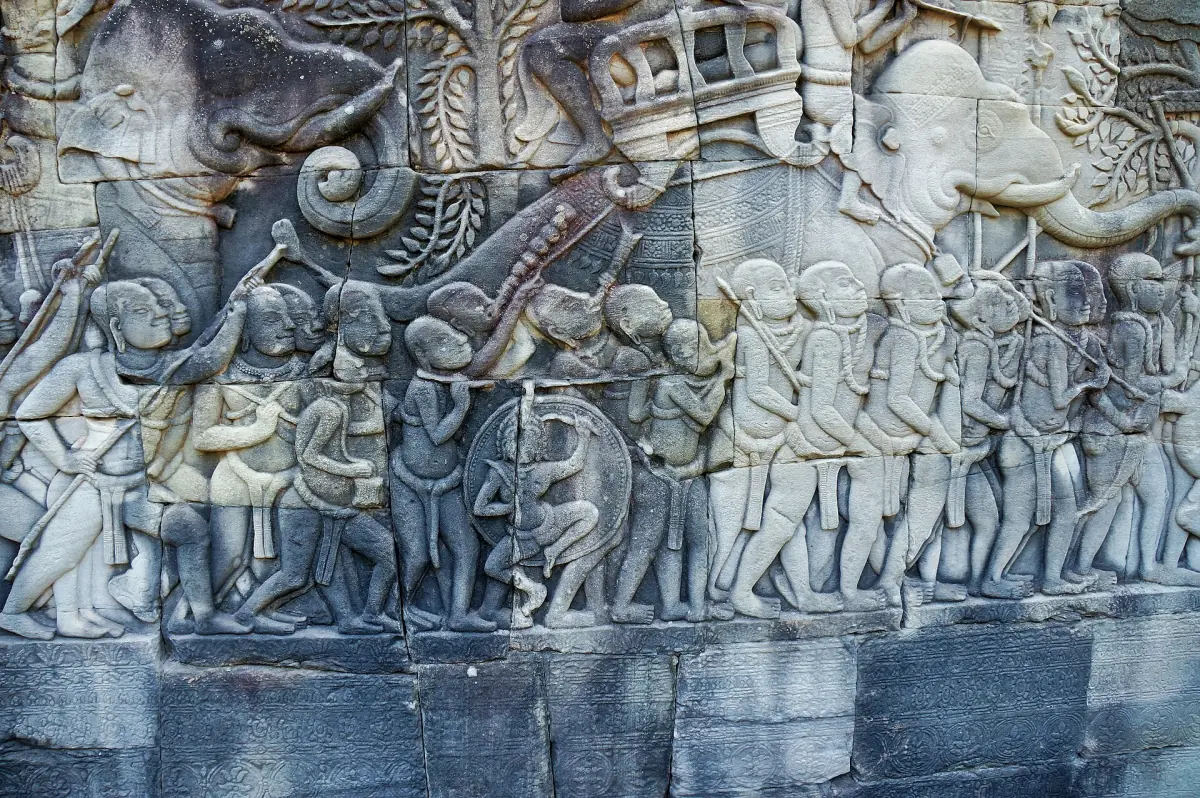
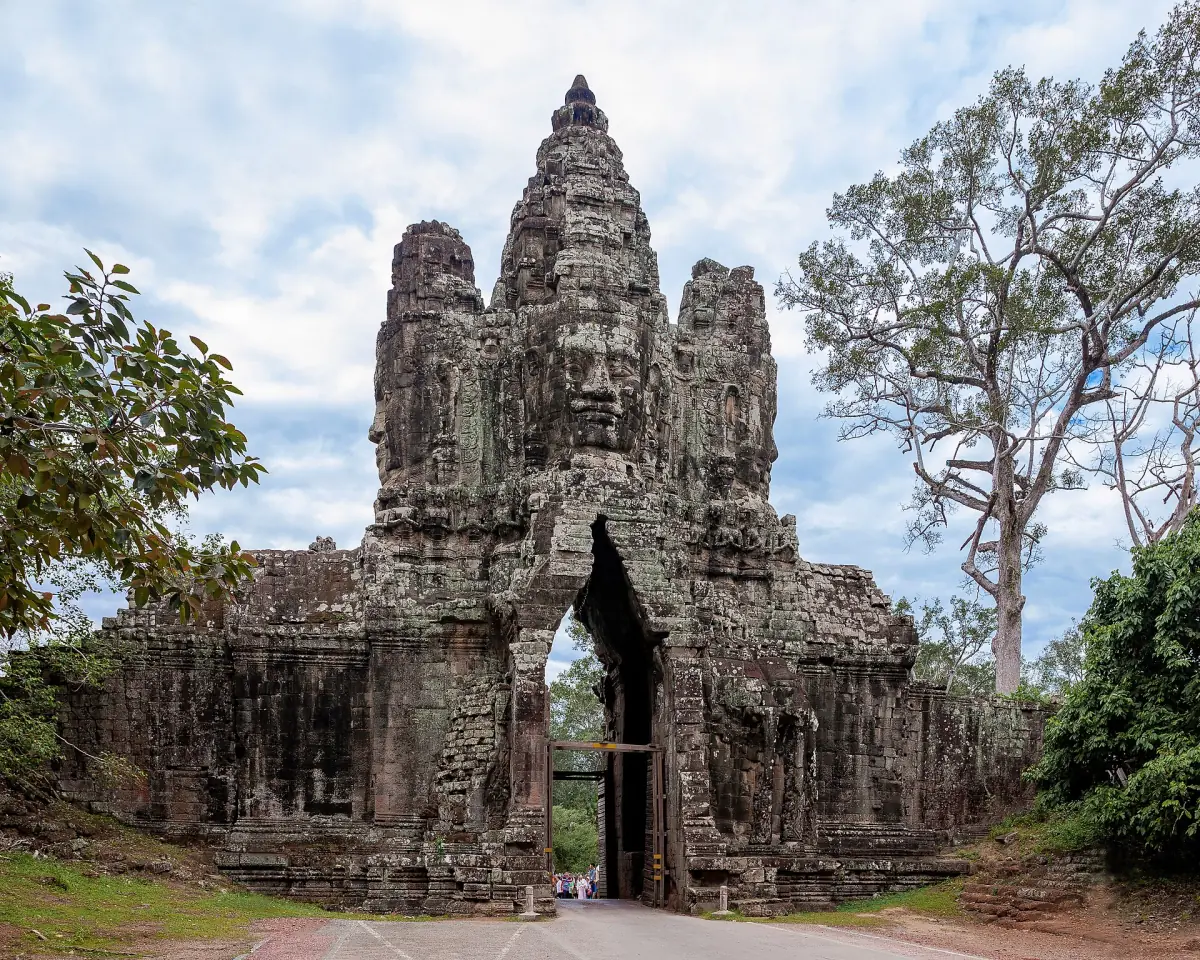
Jayavarman VII is named as the founder of Angkor Thom, the walled city with the Bayon at its center. He built the Bayon in the late 12th and early 13th century as a Mahayana Buddhist state temple. Its reliefs show battles, daily life and religious scenes. One of them shows a battle on the Tonle Sap.
Later rulers changed the temple for other religious uses, which is one reason why it looks layered today.
Earlier capitals: Yasodharapura and Koh Ker
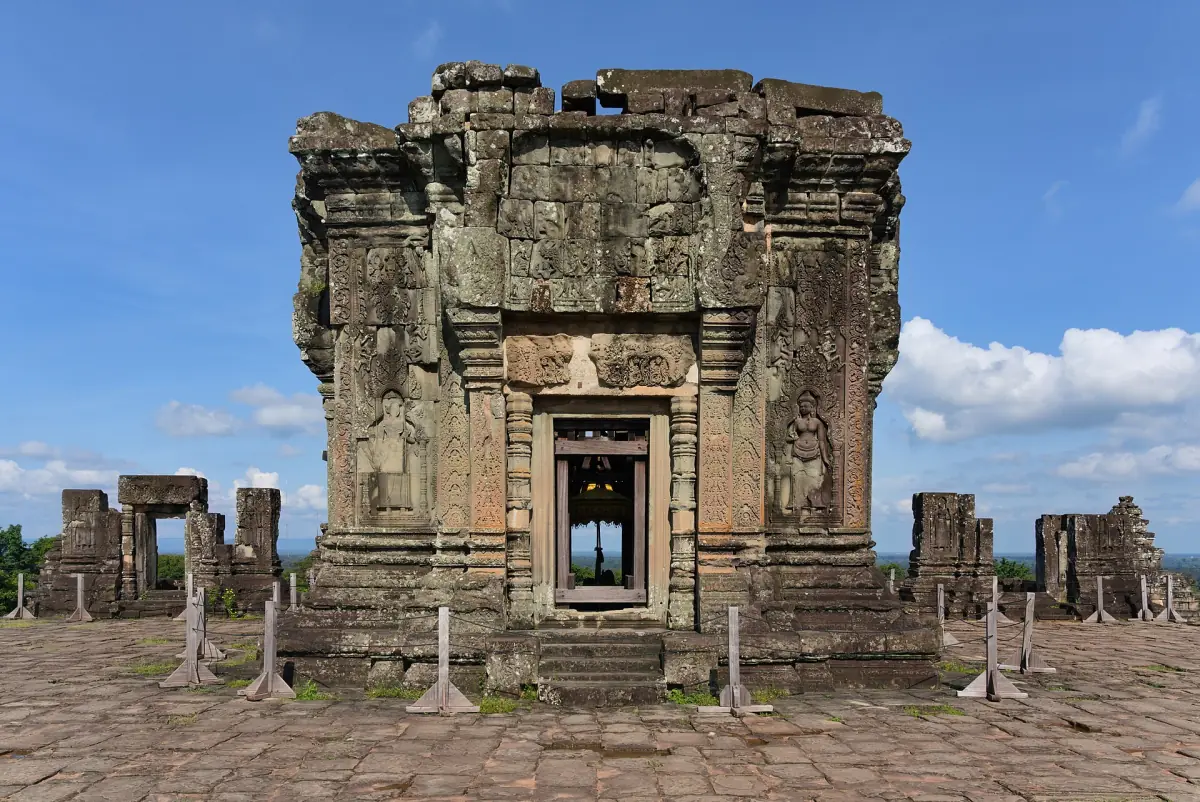
Before Angkor Wat, the Khmer capital moved several times. When Yasovarman I moved the capital to the area around Phnom Bakheng, the city was known as Yasodharapura. Use that name for the historical city, not for a place you can book today.
Koh Ker was the sole capital from 928 to 944 under Jayavarman IV. It is a World Heritage site of its own, inscribed in 2023, with its own day ticket of $15 (2026). Do not confuse that ticket with the Angkor Pass.
Angkor was never a forgotten place
Angkor is a living heritage site. Villages, rice farming and religious practice continue inside the protected area, and communities have stayed in and around Angkor. The park is not an empty ruin field. When you visit, you share it with people who live and work there and with monks who use the temples.
Angkor Wat was first dedicated to Vishnu and later used as a Buddhist site. That is a good reason to treat the temples with respect: cover shoulders and knees, do not touch reliefs and ask before photographing monks.
World Heritage status
UNESCO inscribed Angkor in 1992 and listed it as endangered from 1992 to 2004. The removal from that list concerned only the endangered status. Angkor has stayed a World Heritage site throughout.
Resettlements from the park
In November 2023 Amnesty International published a report on resettlements from the park in 2022 and 2023. The organization assessed them as forced evictions and as human rights violations, and it described conditions in the Run Ta Ek resettlement area at that time, including housing, water, work and heat.
UNESCO responded on 15 November 2023. It said it was concerned, that it had neither required nor supported the program nor taken part in it, and that any relocation must be voluntary and respect human rights. The findings describe 2023, not the situation today.
Angkor history: frequently asked questions
Who built Angkor Wat?
Suryavarman II, in the early 12th century. It was first dedicated to Vishnu and later used as a Buddhist temple.
When was Angkor the capital of the Khmer Empire?
The capitals preserved in the park date between the 9th and the 15th century. Different rulers built in different places.
Was Angkor Wat ever completely abandoned?
No. Communities and religious practice continued in and around Angkor, and the park is still a living heritage site with villages and rice fields.
When did Angkor become a World Heritage site?
In 1992. It was on the endangered list from 1992 to 2004.
Is Koh Ker part of Angkor?
No. Koh Ker is a separate World Heritage site, inscribed in 2023, with its own $15 ticket (2026).
Is this the official Angkor history website?
No. This is an independent travel guide, not connected to the APSARA National Authority, Angkor Enterprise, the Ministry of Tourism or any tour operator.